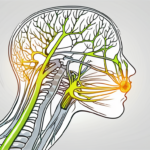
The human body is an incredible marvel, with complex systems working together to maintain our health and well-being. One such system that has garnered increasing interest in recent years is the vagus nerve. The vagus nerve, also known as the “wandering nerve,” is a vital component of the parasympathetic nervous system, responsible for controlling various bodily functions. In this article, we will explore the fascinating world of the vagus nerve and its connection to yoga, and how incorporating yoga into your daily routine can potentially unlock the power of the vagus nerve for improved physical and mental health.
Understanding the Vagus Nerve
The vagus nerve is the longest cranial nerve in the body, stretching from the brainstem to various organs such as the heart, lungs, and digestive system. It plays a crucial role in regulating the body’s involuntary functions, including heart rate, digestion, respiratory rate, and even emotional responses. This complex network of nerve fibers acts as a communication highway between the brain and the body, transmitting signals back and forth, ensuring the smooth functioning of various bodily systems.
The vagus nerve, also known as the “wandering nerve,” gets its name from its extensive reach throughout the body. It meanders through the neck, chest, and abdomen, connecting to various organs along the way. This extensive network allows the vagus nerve to monitor and control a wide range of bodily functions, making it an essential component of our overall well-being.
The Role and Function of the Vagus Nerve
The vagus nerve operates in two main branches, the sensory and motor branches. The sensory branch carries information from the body to the brain, while the motor branch transmits signals from the brain to the organs. This bidirectional communication allows the vagus nerve to regulate bodily functions and maintain homeostasis.
When it comes to the sensory branch, the vagus nerve acts as a messenger, relaying information from various organs to the brain. For example, it detects changes in heart rate and blood pressure, alerting the brain to any irregularities. It also plays a crucial role in our sense of taste, transmitting signals from the taste buds to the brain, allowing us to savor the flavors of our favorite foods.
On the other hand, the motor branch of the vagus nerve is responsible for carrying signals from the brain to the organs, enabling them to perform their functions. It controls the contraction and relaxation of muscles in the digestive system, facilitating the movement of food through the gastrointestinal tract. Additionally, it regulates the heart rate by influencing the electrical activity of the heart, ensuring a steady and coordinated rhythm.
The Connection Between the Vagus Nerve and the Body’s Health
Research has shown that a healthy vagus nerve is linked to improved overall health. A properly functioning vagus nerve helps reduce inflammation, control blood pressure, enhance digestion, and promote relaxation. Conversely, a compromised or weakened vagus nerve has been associated with conditions such as anxiety, depression, chronic inflammation, and even cardiovascular diseases. Hence, it becomes crucial to find ways to support the health of this vital nerve.
One way to support the health of the vagus nerve is through practices that promote relaxation and stress reduction. Deep breathing exercises, meditation, and yoga have all been shown to stimulate the vagus nerve and enhance its function. These practices help activate the parasympathetic nervous system, which is responsible for the body’s rest and digest response, promoting a state of calm and relaxation.
Furthermore, maintaining a healthy lifestyle can also contribute to the well-being of the vagus nerve. Regular exercise, a balanced diet, and adequate sleep all play a role in supporting the overall health of our nervous system, including the vagus nerve. Engaging in activities that promote social connection and positive emotions, such as spending time with loved ones and practicing gratitude, can also have a positive impact on the vagus nerve.
In conclusion, the vagus nerve is a remarkable component of our nervous system, connecting the brain to various organs and regulating essential bodily functions. Understanding its role and function can help us appreciate its importance in maintaining our overall health and well-being. By taking steps to support the health of the vagus nerve, we can optimize its function and promote a state of balance and harmony within our bodies.
The Science Behind Yoga and the Vagus Nerve
Yoga, an ancient practice that combines physical postures, breathing techniques, and meditation, has long been praised for its numerous health benefits. Recent studies have shed light on the positive impact of yoga on the nervous system, particularly the vagus nerve.
The Impact of Yoga on the Nervous System
Practicing yoga activates the relaxation response in the parasympathetic nervous system, which helps to counterbalance the body’s stress response. This activation increases the activity of the vagus nerve, allowing it to send calming signals to the organs, promoting a state of relaxation, reducing stress, and enhancing overall well-being.
But what exactly is the vagus nerve? Well, it is the longest cranial nerve in the body, extending from the brainstem to the abdomen. It plays a crucial role in regulating various bodily functions, including heart rate, digestion, and even mood. By stimulating the vagus nerve through yoga, we can tap into its potential to improve our physical and mental health.
Research has shown that regular yoga practice can increase the activity of the vagus nerve, leading to improved heart rate variability. Heart rate variability refers to the variation in time intervals between consecutive heartbeats. A higher heart rate variability is associated with better cardiovascular health and increased resilience to stress.
How Yoga Stimulates the Vagus Nerve
Yoga postures, also known as asanas, combined with breath control, have a direct impact on the vagus nerve. Asanas help to lengthen and stretch the muscles surrounding the vagus nerve, encouraging healthy nerve function. Deep breathing techniques, such as diaphragmatic breathing or alternate nostril breathing, enhance vagal tone, regulating heart rate and blood pressure, and promoting a state of calmness.
Moreover, the practice of yoga involves mindful movement and body awareness. This heightened awareness allows individuals to tune into the subtle sensations within their bodies, including the sensations associated with the vagus nerve. By paying attention to these sensations, individuals can develop a deeper connection with their bodies and cultivate a sense of inner calm and balance.
Furthermore, yoga incorporates elements of meditation and mindfulness, which have been shown to positively impact the vagus nerve. Mindfulness practices, such as focused attention on the breath or body scan meditation, activate the parasympathetic nervous system and stimulate the vagus nerve, leading to a sense of relaxation and well-being.
It is worth noting that the benefits of yoga on the vagus nerve extend beyond the physical realm. The vagus nerve is also involved in regulating emotions and social engagement. By improving vagal tone through yoga, individuals may experience enhanced emotional regulation, increased empathy, and improved social connection.
In conclusion, yoga offers a holistic approach to improving health and well-being, with the vagus nerve playing a significant role in the process. Through the practice of yoga postures, breath control, and mindfulness, individuals can stimulate and enhance the activity of the vagus nerve, leading to a state of relaxation, reduced stress, and improved overall health.
Yoga Poses for Vagus Nerve Stimulation
Incorporating specific yoga poses into your practice can further stimulate the vagus nerve, maximizing its potential benefits:
Breathing Techniques and Their Effects on the Vagus Nerve
The practice of pranayama, or breath control, is a powerful tool for vagus nerve stimulation. Techniques like Ujjayi breath, also known as the “Victorious Breath,” and Brahmari Pranayama, or “Bee Breath,” activate the vagus nerve, promoting relaxation and reducing stress.
Ujjayi breath involves constricting the back of the throat slightly while inhaling and exhaling through the nose. This technique creates a gentle ocean-like sound and helps to regulate the breath, calming the mind and soothing the nervous system. By engaging the vagus nerve, Ujjayi breath can promote a sense of tranquility and enhance overall well-being.
Brahmari Pranayama, on the other hand, involves making a humming sound while exhaling. This buzzing sound resonates in the sinus cavities, stimulating the vagus nerve and activating the parasympathetic nervous system. This technique is particularly effective in reducing anxiety, promoting mental clarity, and improving sleep quality.
Specific Yoga Poses for Vagus Nerve Activation
Certain yoga poses can directly target and stimulate the vagus nerve. Poses like Fish Pose (Matsyasana), Camel Pose (Ustrasana), and Bridge Pose (Setu Bandhasana) are known for their potential to increase vagal activity, enhance circulation, and relieve tension in the neck and throat area where the vagus nerve is present.
Fish Pose, also known as Matsyasana, opens up the chest and throat, creating space for the vagus nerve to function optimally. This pose not only stimulates the vagus nerve but also stretches the muscles of the upper back and neck, promoting flexibility and relieving tension in these areas.
Camel Pose, or Ustrasana, is another effective pose for vagus nerve activation. By arching the back and opening the chest, this pose stimulates the vagus nerve and promotes deep breathing. Ustrasana also stretches the front of the body, including the abdomen, chest, and throat, releasing any built-up tension and energizing the entire system.
Bridge Pose, or Setu Bandhasana, is a gentle backbend that activates the vagus nerve while also strengthening the back, glutes, and hamstrings. This pose helps to open the chest, increase lung capacity, and improve overall posture. By stimulating the vagus nerve, Setu Bandhasana can have a calming effect on the mind and promote a sense of relaxation.
Incorporating these specific yoga poses and breathing techniques into your practice can have a profound impact on vagus nerve stimulation. By activating this important nerve, you can enhance your overall well-being, reduce stress, and promote a sense of calm and relaxation.
The Benefits of Vagus Nerve Stimulation through Yoga
The stimulation of the vagus nerve through yoga offers a myriad of benefits, both physically and mentally.
Yoga, an ancient practice that combines physical postures, breathing exercises, and meditation, has been found to have a profound impact on the vagus nerve. This cranial nerve, also known as the “wandering nerve,” is responsible for regulating various bodily functions, including digestion, inflammation, immune response, and cardiovascular function.
Physical Health Benefits
Vagus nerve stimulation can improve digestion, reduce inflammation, boost the immune system, and regulate heart rate and blood pressure. By engaging in a regular yoga practice, you may experience enhanced gut health, improved cardiovascular function, and an overall stronger immune response.
When the vagus nerve is stimulated through yoga, it sends signals to the digestive system, promoting the release of digestive enzymes and enhancing nutrient absorption. This can lead to improved digestion, reduced bloating, and a decreased risk of gastrointestinal disorders.
In addition, vagus nerve stimulation through yoga has been found to have anti-inflammatory effects. Chronic inflammation has been linked to various health conditions, including heart disease, diabetes, and autoimmune disorders. By practicing yoga regularly, you may be able to reduce inflammation in the body, leading to improved overall health and a lower risk of chronic diseases.
Furthermore, yoga’s impact on the vagus nerve can help boost the immune system. The vagus nerve plays a crucial role in regulating the body’s immune response, and by stimulating it through yoga, you can strengthen your immune system and enhance your body’s ability to fight off infections and diseases.
Moreover, the vagus nerve is closely connected to the cardiovascular system. By practicing yoga and stimulating the vagus nerve, you can regulate heart rate and blood pressure, leading to improved cardiovascular health. This can reduce the risk of heart disease, stroke, and other cardiovascular conditions.
Mental Health Benefits
Yoga’s positive impact on the vagus nerve can also extend to mental health. By reducing stress and promoting relaxation, vagus nerve stimulation through yoga has been associated with a decrease in anxiety, depression, and even symptoms of post-traumatic stress disorder (PTSD). It can also improve overall mood, leading to a greater sense of well-being and emotional resilience.
When the vagus nerve is stimulated through yoga, it activates the body’s relaxation response, triggering the release of neurotransmitters such as serotonin and dopamine. These neurotransmitters are known as “feel-good” chemicals and are responsible for regulating mood and emotions. By practicing yoga regularly, you can increase the production of these neurotransmitters, leading to a more positive outlook and improved mental well-being.
In addition, vagus nerve stimulation through yoga has been found to reduce the levels of stress hormones, such as cortisol, in the body. High levels of cortisol can contribute to chronic stress, anxiety, and depression. By practicing yoga and stimulating the vagus nerve, you can lower cortisol levels, promoting a state of calmness and relaxation.
Furthermore, yoga’s impact on the vagus nerve can be particularly beneficial for individuals with PTSD. Traumatic experiences can disrupt the functioning of the vagus nerve, leading to symptoms such as hyperarousal, flashbacks, and nightmares. By practicing yoga and engaging in vagus nerve stimulation, individuals with PTSD may experience a reduction in these symptoms and an improved ability to cope with trauma.
In conclusion, the stimulation of the vagus nerve through yoga offers a wide range of physical and mental health benefits. By practicing yoga regularly and engaging in vagus nerve stimulation, you can improve digestion, reduce inflammation, boost the immune system, regulate heart rate and blood pressure, and experience a decrease in anxiety, depression, and symptoms of PTSD. Incorporating yoga into your daily routine can lead to a healthier body and a calmer, more resilient mind.
Incorporating Yoga into Your Routine for Vagus Nerve Health
If you’re considering incorporating yoga into your routine to support vagus nerve health, you’re on the right track! Yoga has been shown to have numerous benefits for overall well-being, including the stimulation and strengthening of the vagus nerve. This important nerve is responsible for regulating various bodily functions, such as heart rate, digestion, and stress response.
Now, let’s dive deeper into how you can get started with yoga to specifically target and support your vagus nerve health.
Tips for Beginners
Begin your yoga journey with gentle, beginner-friendly classes or online tutorials. Starting with basic poses will help you build a solid foundation and gradually progress. Remember to always listen to your body’s cues and avoid any strain or discomfort. It’s essential to practice under the guidance of a qualified yoga instructor to ensure proper alignment and technique.
As you begin your practice, focus on poses that promote relaxation and deep breathing. These include gentle forward folds, seated twists, and restorative poses. These poses help activate the parasympathetic nervous system, which is responsible for the body’s rest and digest response, and is closely connected to the vagus nerve.
Maintaining Consistency and Progress in Your Yoga Practice
Consistency is key when it comes to reaping the benefits of yoga for vagus nerve health. Aim for a regular practice, even if it’s just a few minutes each day. By incorporating yoga into your daily routine, you’ll create a positive habit that supports your overall well-being.
Set achievable goals and gradually increase the duration and intensity of your sessions. Celebrate your progress along the way and adjust your practice as you grow stronger and more comfortable. Remember, yoga is a journey, and each step you take contributes to your overall growth and well-being.
Additionally, consider exploring different styles of yoga to keep your practice fresh and engaging. From gentle Hatha yoga to more dynamic Vinyasa flow, there are various options to suit your preferences and needs. Experimenting with different styles can help you discover what resonates with you and keeps you motivated.
While yoga and vagus nerve stimulation offer promising benefits, it is important to note that this article does not provide medical advice. If you have any underlying health conditions or concerns, it is always wise to consult with a healthcare professional or your primary care physician before starting any new exercise regimen.
So, are you ready to embark on a journey of unlocking the potential within you through the remarkable connection between yoga and the vagus nerve? Roll out your mat, take a deep breath, and let the healing power of yoga support your vagus nerve health and overall well-being.
Ready to dive deeper into the wonders of the vagus nerve and how it influences every aspect of your health? Discover the secrets of this extraordinary nerve with the “My Vagus Nerve & Me Book.” Uncover the intricate details of its functions, from regulating your heart rate and digestion to enhancing your mental well-being. Learn practical ways to stimulate your vagus nerve for optimal health. Don’t miss out on this opportunity to empower yourself with knowledge that could transform your life. Get My Vagus Nerve & Me eBook today and embark on a journey to harmonize your body’s systems for a healthier, happier you.