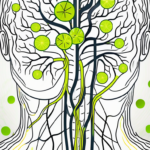
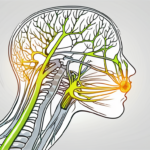
Anxiety is a common mental health condition that affects millions of people worldwide. It can manifest in various ways, including physical symptoms such as a racing heart, rapid breathing, and muscle tension. Understanding the connection between anxiety and the body is crucial in finding effective ways to manage this condition. In recent years, researchers have discovered a fascinating link between anxiety and the vagus nerve, which has led to the exploration of alternative treatment methods, such as using an ice pack on the chest. In this article, we will delve into the science behind this unconventional approach and provide a practical guide to using it safely and effectively.
Understanding Anxiety and Its Physical Manifestations
Anxiety is a complex emotion that can be characterized by feelings of unease, worry, and fear. It is a natural response to stress or danger, but when it becomes chronic or debilitating, it can significantly impact one’s quality of life. While anxiety primarily affects our mental state, it also has notable physical manifestations.
The Role of the Autonomic Nervous System in Anxiety
The autonomic nervous system plays a crucial role in regulating various bodily functions, including heart rate, breathing, and digestion. It has two main branches: the sympathetic nervous system, which triggers the “fight-or-flight” response during stressful situations, and the parasympathetic nervous system, which promotes relaxation and rest. Imbalances in these systems can contribute to anxiety.
When anxiety strikes, the body’s autonomic nervous system responds by activating the sympathetic branch. This activation leads to a cascade of physiological changes designed to prepare the body to face a perceived threat. The heart rate increases, pumping more blood to the muscles, while the breathing rate becomes rapid and shallow, ensuring a sufficient oxygen supply. The body also experiences heightened muscle tension, readying itself for action.
In addition to these immediate physical responses, anxiety can also affect other bodily functions. The digestive system, for example, may be impacted, leading to symptoms such as stomachaches, nausea, or changes in appetite. This is because when the body is in a state of anxiety, blood flow is redirected away from the digestive organs to the muscles, causing digestive disturbances.
How Anxiety Affects the Body
When anxiety strikes, the body releases stress hormones like adrenaline and cortisol, preparing itself to face a perceived threat. This leads to increased heart rate, rapid breathing, heightened muscle tension, and other physical symptoms commonly associated with anxiety. Understanding these physical manifestations is crucial in exploring alternative anxiety management techniques.
Furthermore, anxiety can also have long-term effects on the body. Prolonged periods of anxiety can weaken the immune system, making individuals more susceptible to illnesses and infections. Chronic anxiety can also disrupt sleep patterns, leading to fatigue and a decreased ability to concentrate.
Moreover, the physical manifestations of anxiety can vary from person to person. Some individuals may experience headaches or migraines, while others may develop skin conditions like eczema or psoriasis. The impact of anxiety on the body is multifaceted and can manifest in a variety of ways.
It is important to note that while anxiety can have significant physical effects, it is not solely a physical condition. The emotional and psychological aspects of anxiety are equally important and should not be overlooked. Addressing anxiety comprehensively requires a holistic approach that considers both the mind and body.
The Vagus Nerve: An Overview
The vagus nerve, also known as the “wandering nerve,” is the longest cranial nerve in the body. It extends from the brainstem to various organs in the body, including the heart, lungs, stomach, and intestines. This extensive reach allows the vagus nerve to play a vital role in regulating numerous bodily functions, including heart rate, digestion, and inflammation response.
Although the vagus nerve is not often discussed, its importance cannot be overstated. It acts as a communication pathway between the brain and the body’s organs, relaying information back and forth. This constant communication helps to maintain balance and regulate bodily functions, ensuring that everything is working harmoniously.
The Function of the Vagus Nerve
The vagus nerve is responsible for activating the parasympathetic nervous system, also known as the “rest-and-digest” response. When the vagus nerve is stimulated, it promotes calmness and relaxation throughout the body. This activation leads to a decrease in heart rate, an increase in digestive activity, and a reduction in inflammation.
Furthermore, the vagus nerve plays a crucial role in maintaining homeostasis, which is the body’s ability to maintain a stable internal environment. It helps regulate blood pressure, body temperature, and even influences mood and emotional well-being.
The Vagus Nerve and Its Connection to Anxiety
Recent research has shed light on the connection between the vagus nerve and anxiety. Studies have shown that individuals with anxiety disorders may have an overactive sympathetic nervous system, which is responsible for the body’s “fight-or-flight” response, and an underactive parasympathetic nervous system, which is activated by the vagus nerve.
This imbalance can lead to heightened anxiety levels and difficulty managing stress. Researchers have been focusing on finding ways to stimulate the vagus nerve to promote relaxation and reduce anxiety. One such method is vagus nerve stimulation (VNS), a technique that involves sending electrical impulses to the nerve to regulate its activity.
Additionally, deep breathing exercises, meditation, and yoga have been found to stimulate the vagus nerve naturally. These practices help activate the parasympathetic nervous system, allowing individuals to experience a sense of calm and relaxation.
Understanding the role of the vagus nerve in anxiety opens up new possibilities for treating and managing anxiety disorders. By targeting the vagus nerve, researchers hope to develop innovative therapies that can provide relief to those who struggle with anxiety on a daily basis.
The Science Behind Using Ice Packs for Anxiety
The use of ice packs for anxiety may seem unconventional, but there is scientific rationale behind it. Cold stimuli have been found to have an impact on the vagus nerve and the body’s stress response.
Anxiety is a common mental health condition that affects millions of people worldwide. It is characterized by feelings of unease, worry, and fear. While there are various treatment options available, including therapy and medication, some individuals seek alternative methods to manage their anxiety.
One such alternative method is the use of ice packs. Although primarily used to relieve physical pain and reduce swelling, ice packs have gained attention for their potential to alleviate anxiety symptoms. Let’s explore the physiological response to cold and how it affects the vagus nerve.
The Physiological Response to Cold
When exposed to cold temperatures, the body responds by constricting blood vessels and reducing blood flow to peripheral areas. This physiological response is known as vasoconstriction and helps conserve heat and maintain core body temperature.
During vasoconstriction, the body redirects blood flow to vital organs, such as the heart and brain, ensuring their optimal function. This redirection of blood flow can have a calming effect on the body, as it diverts resources away from non-essential areas.
Additionally, the sensation of cold on the skin triggers the release of endorphins, which are natural painkillers and mood boosters. These endorphins can contribute to a sense of relaxation and well-being, further reducing anxiety levels.
How Cold Stimuli Affect the Vagus Nerve
Research suggests that cold stimuli, such as applying an ice pack to the chest, can stimulate the vagus nerve. The vagus nerve is the longest cranial nerve in the body and plays a crucial role in regulating various bodily functions, including heart rate, digestion, and stress response.
When the vagus nerve is stimulated, it activates the parasympathetic nervous system, often referred to as the “rest-and-digest” system. This activation promotes relaxation, reduces heart rate, and lowers blood pressure, all of which contribute to a sense of calmness.
By triggering the vagus nerve through cold stimuli, individuals may experience a shift from the “fight-or-flight” response associated with anxiety to a more relaxed state. This shift can help alleviate anxiety symptoms and promote a sense of well-being.
It is important to note that while ice packs may provide temporary relief for anxiety symptoms, they should not replace evidence-based treatments or professional medical advice. If you are experiencing anxiety, it is recommended to consult with a healthcare provider to determine the most appropriate treatment approach for your specific needs.
In conclusion, the use of ice packs for anxiety is supported by the science behind the physiological response to cold and its impact on the vagus nerve. While further research is needed to fully understand the mechanisms at play, many individuals have reported finding relief from anxiety symptoms through this alternative method. As with any treatment, it is essential to approach it with an open mind and consult with healthcare professionals for personalized guidance.
Practical Guide to Using an Ice Pack for Anxiety
If you’re interested in trying the ice pack method to help manage your anxiety, it’s essential to follow a practical and safe approach. Anxiety can be a challenging condition to navigate, but with the right tools and techniques, you can find relief and regain control of your well-being.
An ice pack is a simple yet effective tool that can provide soothing comfort during moments of anxiety. The cold temperature can help calm your nervous system and reduce the intensity of anxious feelings. However, it’s important to use an ice pack correctly to ensure maximum benefits and minimize any potential risks.
Choosing the Right Ice Pack
When selecting an ice pack, opt for one that is designed specifically for the chest area. These ice packs are often contoured to fit comfortably against your chest, providing targeted relief. Look for a pack that can mold easily to your body and maintain a consistent cold temperature. This will ensure that you receive the full benefits of the ice pack therapy.
Avoid using ice directly on the skin, as it can cause frostbite or discomfort. Instead, wrap the ice pack in a thin towel or cloth before applying it to your chest. This will create a barrier between the cold surface and your skin, preventing any potential damage or discomfort.
Safe and Effective Application of Ice Packs
Before applying an ice pack, make sure it is properly wrapped in a thin towel or cloth. This will ensure that the cold temperature is evenly distributed and gentle on your skin. It’s important to start with short durations of ice pack application, especially if you are new to this technique.
Begin by applying the ice pack for a few minutes at a time, gradually increasing the duration as your body adjusts to the cold stimulus. Pay close attention to your body’s response and listen to any signals it may be sending you. If you experience any discomfort, numbness, or skin irritation, discontinue the use of the ice pack immediately.
It’s also crucial to regularly check your skin for any signs of irritation or numbness. This will help you monitor your body’s reaction to the cold therapy and ensure that it remains safe and effective for you. If you notice any adverse effects, such as redness, swelling, or prolonged numbness, consult with a healthcare professional for further guidance.
Remember, using an ice pack for anxiety is just one tool in your toolbox for managing your mental health. It’s important to combine this technique with other self-care practices, such as deep breathing exercises, mindfulness, and seeking support from loved ones or mental health professionals.
By approaching anxiety management from a holistic perspective, you can develop a well-rounded strategy that addresses your unique needs and promotes overall well-being.
Potential Risks and Considerations
While using an ice pack on the chest may be a safe and effective tool for managing anxiety for some individuals, it is essential to be aware of potential risks and consider individual factors.
Managing anxiety is a complex process that requires careful consideration of various factors. While ice packs can provide temporary relief, it is important to understand that they are not a standalone solution. Anxiety is a multifaceted condition that may require a comprehensive approach, including therapy, medication, and lifestyle changes.
One of the potential risks of using ice packs for anxiety is the possibility of skin damage. Applying ice directly to the skin for prolonged periods can lead to frostbite or skin irritation. It is crucial to use a protective barrier, such as a cloth or towel, between the ice pack and the skin to prevent any adverse effects.
When Not to Use Ice Packs for Anxiety
Ice packs may not be suitable for everyone, especially those with pre-existing conditions such as Raynaud’s disease or other circulatory disorders. Raynaud’s disease is a condition that affects blood flow to the extremities, causing them to become cold and numb. Using ice packs in such cases can exacerbate symptoms and potentially harm the affected areas.
Furthermore, individuals with certain skin conditions, such as dermatitis or eczema, should exercise caution when using ice packs. Cold temperatures can trigger flare-ups and worsen the symptoms of these conditions. It is advisable to consult with a dermatologist or healthcare professional before incorporating ice packs into the management of anxiety.
Consulting a Healthcare Professional
If you are experiencing symptoms of anxiety or seeking alternative treatment methods, it is crucial to consult with a healthcare professional. They can provide personalized advice based on your individual circumstances and ensure your safety and well-being.
A healthcare professional will consider various factors when assessing the appropriateness of using ice packs for anxiety. They will take into account your medical history, current medications, and any underlying conditions that may affect the effectiveness or safety of this approach. Additionally, they can guide you towards evidence-based treatments and help you develop a comprehensive anxiety management plan.
Remember, self-diagnosis and self-treatment can be risky, especially when dealing with mental health conditions. Seeking professional guidance ensures that you receive the most appropriate and effective care for your specific needs.
The Future of Anxiety Treatment: A Holistic Approach
While the use of an ice pack on the chest to calm anxiety through vagus nerve stimulation shows promise, it is important to remember that it is not a standalone treatment. Anxiety is a complex condition that requires a holistic and personalized approach to management.
Anxiety, a prevalent mental health disorder, affects millions of people worldwide. It is characterized by persistent and excessive worry, fear, and apprehension. While anxiety can be debilitating, advancements in treatment options offer hope for those seeking relief.
The Role of Lifestyle Changes in Managing Anxiety
In addition to exploring alternative methods like using ice packs, incorporating lifestyle changes such as regular exercise, mindfulness practices, and stress management techniques can greatly contribute to anxiety management. These approaches, when combined with professional guidance, medication, or therapy, can optimize treatment outcomes.
Regular physical exercise has been shown to have a positive impact on mental health. Engaging in activities like jogging, swimming, or yoga releases endorphins, which are natural mood boosters. These endorphins help reduce anxiety symptoms and promote a sense of well-being.
Mindfulness practices, such as meditation and deep breathing exercises, can also be beneficial in managing anxiety. By focusing on the present moment and cultivating a non-judgmental attitude, individuals can develop a greater sense of calm and reduce the impact of anxiety triggers.
Furthermore, stress management techniques, such as time management, prioritization, and setting boundaries, can help individuals better cope with the demands of daily life. By implementing these strategies, individuals can reduce stress levels and minimize the likelihood of anxiety episodes.
The Importance of Personalized Anxiety Treatment Plans
Each person’s experience with anxiety is unique, and what works for one individual may not be effective for another. It is crucial to work with healthcare professionals to develop a personalized treatment plan that addresses your specific needs and considers various treatment modalities.
A personalized anxiety treatment plan may involve a combination of therapies, including cognitive-behavioral therapy (CBT), medication, and alternative treatments. CBT is a widely recognized and evidence-based therapy that helps individuals identify and modify negative thought patterns and behaviors associated with anxiety.
Medication, such as selective serotonin reuptake inhibitors (SSRIs), can also be prescribed to manage anxiety symptoms. These medications work by balancing neurotransmitters in the brain, helping to alleviate anxiety and improve overall well-being.
Alternative treatments, like acupuncture, aromatherapy, and herbal supplements, have gained popularity in recent years as complementary approaches to anxiety management. While the effectiveness of these treatments may vary, some individuals find them helpful in reducing anxiety symptoms and promoting relaxation.
In conclusion, the connection between anxiety and the vagus nerve opens up new possibilities for managing this common condition. While using an ice pack on the chest is a non-invasive and potentially helpful technique, it should be approached with caution and in consultation with healthcare professionals. By combining alternative methods with other established treatment approaches, individuals can develop comprehensive strategies to effectively manage anxiety, ultimately improving their overall well-being.
If you’re intrigued by the powerful role the vagus nerve plays in managing anxiety and overall health, “My Vagus Nerve & Me Book” is an essential read. Dive deeper into the fascinating world of this complex system that orchestrates functions from heart rate to digestion, and discover both natural and artificial methods to stimulate your vagus nerve for improved well-being. Embrace the opportunity to enhance your knowledge and take the first step towards a healthier, more balanced life. Get My Vagus Nerve & Me eBook today and unlock the secrets of one of the most influential nerves in your body.